

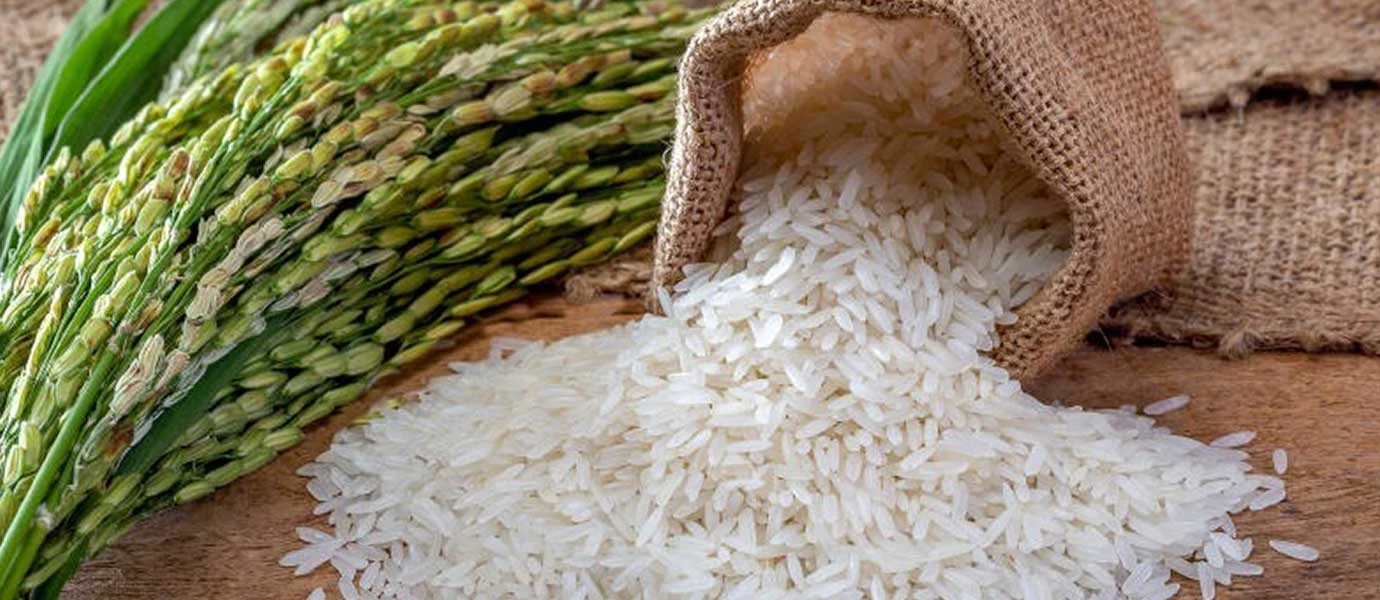
Basmati stands in a league of its own in the world of rice. Revered for its exceptional fragrance, long slender grains, and delicate flavor, Basmati rice has earned global recognition, and when it comes to the finest quality Basmati, India is undeniably the heartland of this cherished grain.
The Origins: Grown in the Foothills of the Himalayas
India is the original home of Basmati rice. The unique agro-climatic conditions of the Indo-Gangetic plains, especially in Punjab, Haryana, and Western Uttar Pradesh, offer the ideal combination of fertile soil, clean river water, and the right temperature profile for cultivating Basmati.
Leading rice exporters in India source their paddy from these traditional Basmati-growing belts, ensuring each grain reflects its authentic heritage.
1. Natural Aroma: A Signature of Purity
One of the defining characteristics of Indian Basmati rice is its distinctive aroma. This pleasant nutty fragrance develops naturally due to the presence of a chemical compound called 2-acetyl-1-pyrroline (2-AP).
Many exporters allow their rice to mature naturally for 12–24 months, which further enhances the aroma — a key reason why international chefs and gourmet kitchens prefer Indian Basmati for their finest dishes.
2. Extra-Long Grains That Fluff Perfectly
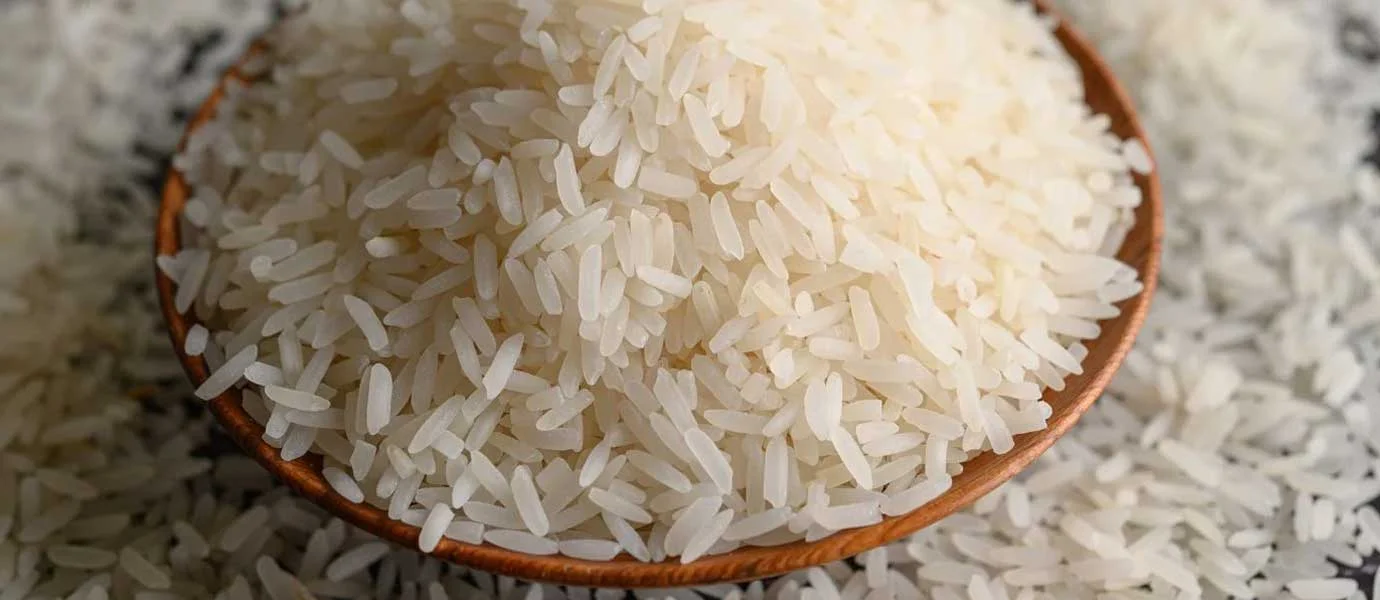
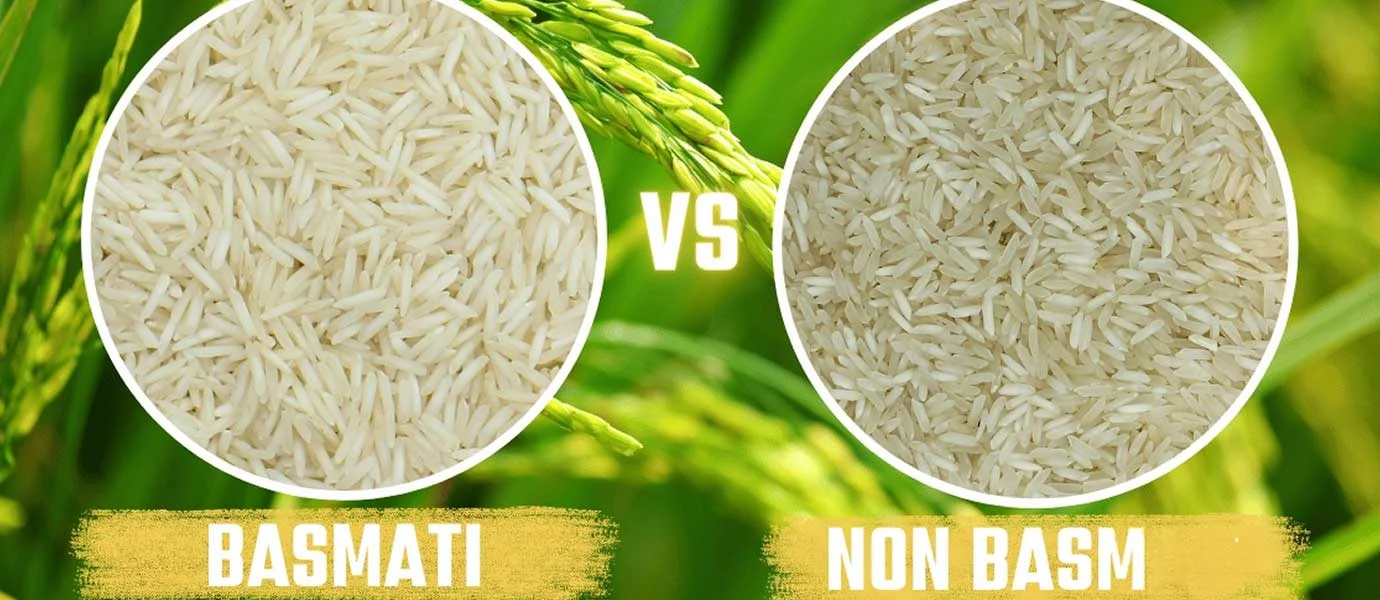
Indian Basmati grains are:
- Slender
- Extra-long (up to 8.4 mm after cooking)
- Non-sticky when cooked
After cooking, they expand more than twice their dry length. This elongation, combined with a soft, fluffy texture, makes Indian Basmati ideal for biryanis, pilafs, and festive dishes.
3. Unmatched Culinary Experience
The cooking quality of Indian Basmati rice is superior due to:
- Low starch content (non-sticky)
- Fluffy texture
- Nutty flavor profile
Whether it’s a royal Hyderabadi Biryani or a simple steamed rice dish, Basmati elevates the entire meal. It absorbs flavors beautifully and looks elegant on the plate.
4. Traditional Cultivation + Modern Technology
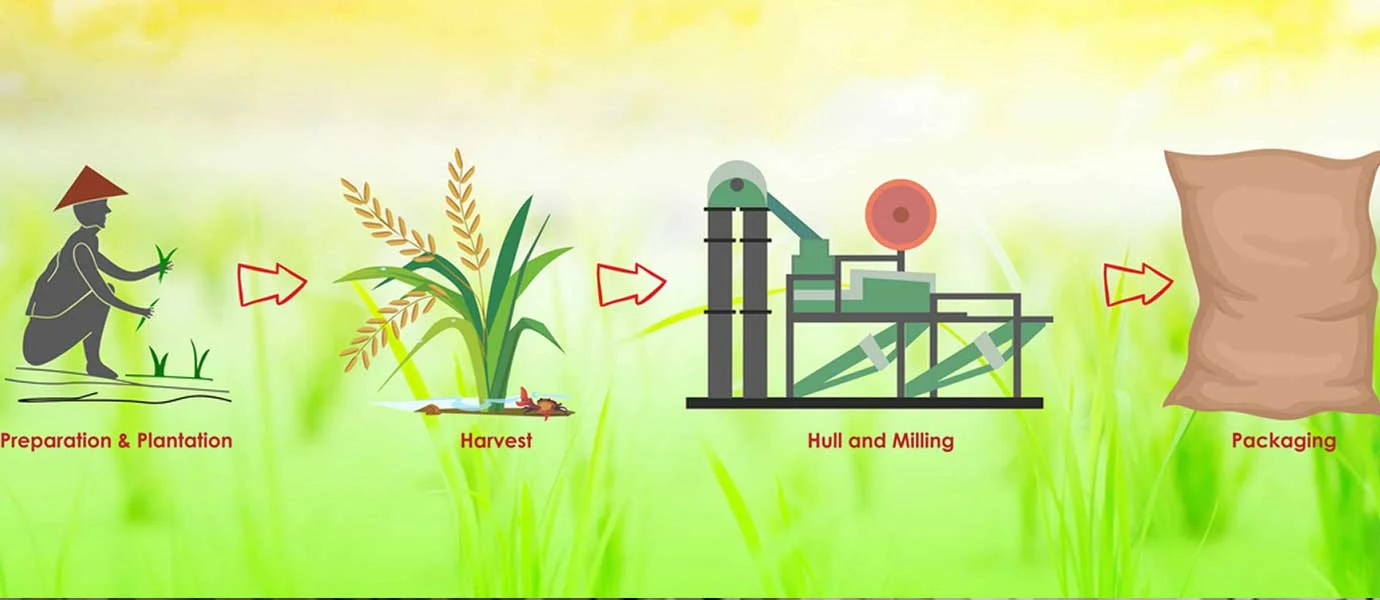
Indian Basmati rice is grown using age-old farming methods passed down through generations, now enhanced with scientific farming practices, pest management, and post-harvest technology.
Modern rice mills in India use state-of-the-art milling facilities with automatic grading, color sorting, polishing, and hygienic packaging — all without compromising the natural essence of the grain.
5. Global Quality Standards & Certifications
India’s Basmati rice adheres to strict quality norms, making it highly preferred in international markets. Most exporters are certified by:
- APEDA (Agricultural & Processed Food Products Export Development Authority)
- FSSAI (Food Safety and Standards Authority of India)
- ISO & HACCP standards
- SGS and other global testing bodies
There is also a rising trend toward pesticide-free and organic Basmati rice that meets international food safety standards.
6. Trusted Worldwide – From India to Global Kitchens
Indian Basmati rice is exported to over 100 countries, including:
- United States
- United Arab Emirates
- Saudi Arabia
- United Kingdom
- Australia
- Canada
- Germany
- South Africa
Exporters offer both bulk shipments and private labeling options for supermarkets, wholesalers, and food service companies.
Why Choose Indian Basmati Rice
- Naturally aged for rich aroma & flavor
- 100% purity with no blending
- Long grain, consistent quality
- Free from harmful chemicals and additives
- Trusted by global markets
Final Thoughts
If you're looking for the best Basmati rice in the world, look no further than India. With its rich agricultural heritage, commitment to quality, and global export expertise, Indian Basmati continues to be a preferred choice for households and chefs around the globe.