

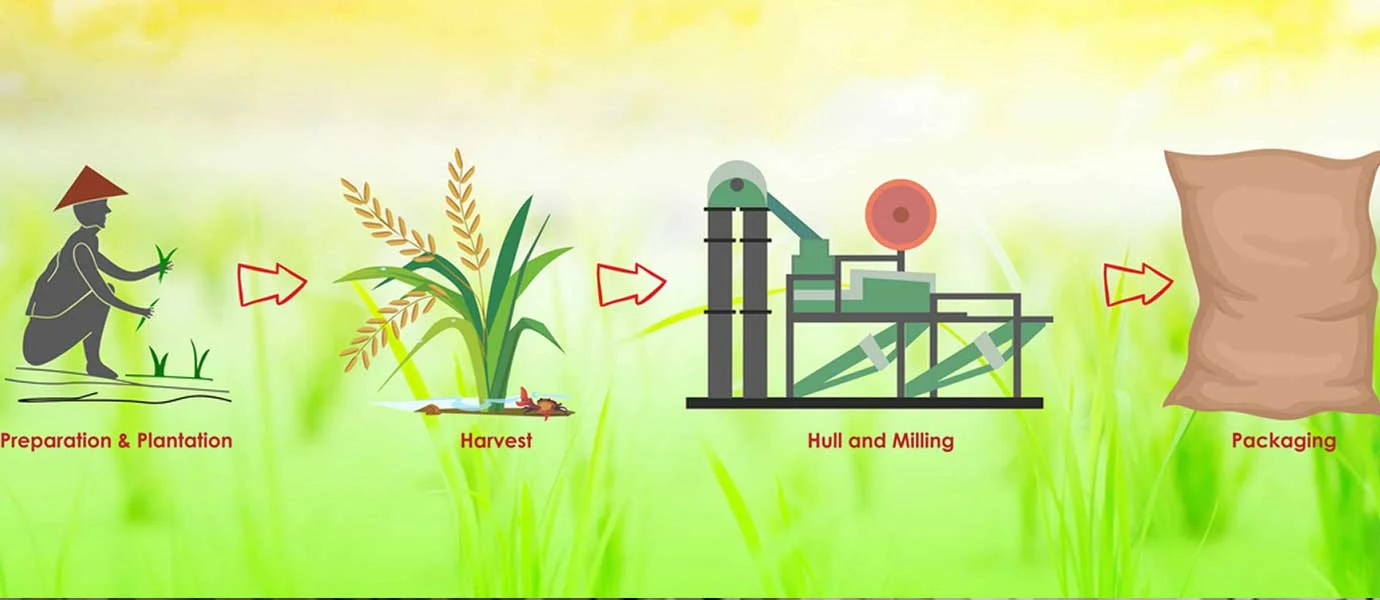
1. Sourcing Rice from Indian Farms
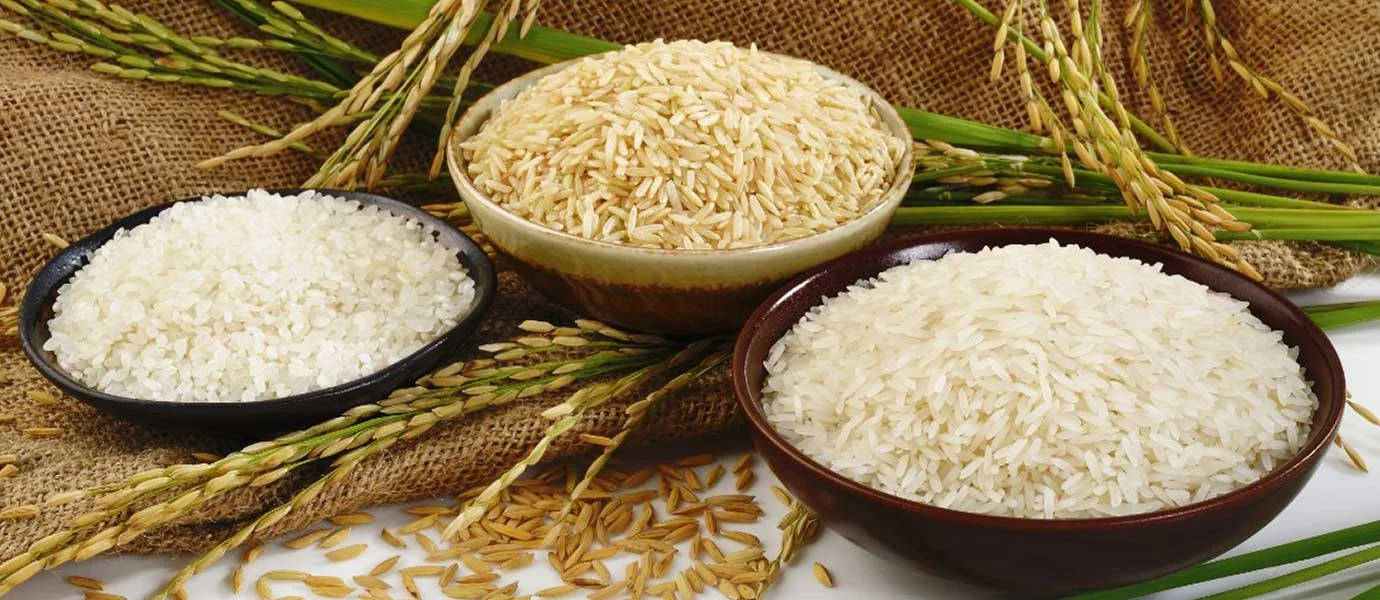
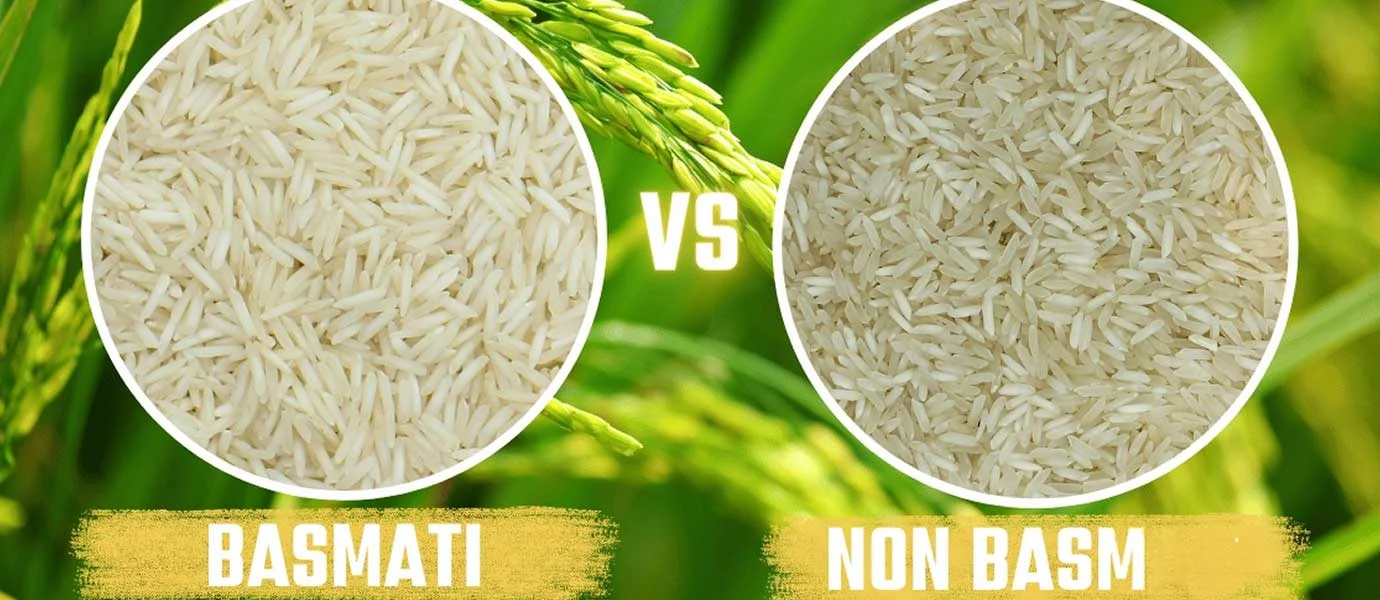
The journey begins in the fertile fields of India, where farmers grow different types of rice including the famous Basmati and various Non-Basmati varieties.
- Farmers use traditional farming methods blended with modern techniques like soil testing and integrated pest management.
- We work directly with trusted farmers and cooperatives to ensure the grains are healthy and high quality.
- Only rice that meets strict standards in grain size, aroma, and texture is selected.
2. Harvesting and Initial Cleaning
Once mature, the rice is harvested carefully to avoid damage to the grains.
- After harvesting, the rice undergoes initial cleaning at the farm or collection centers to remove dust, dirt, and chaff.
- This step ensures that only clean paddy rice moves forward in the supply chain.
3. Milling and Processing
Next, the rice paddy is sent to modern milling units where it is processed into edible rice.
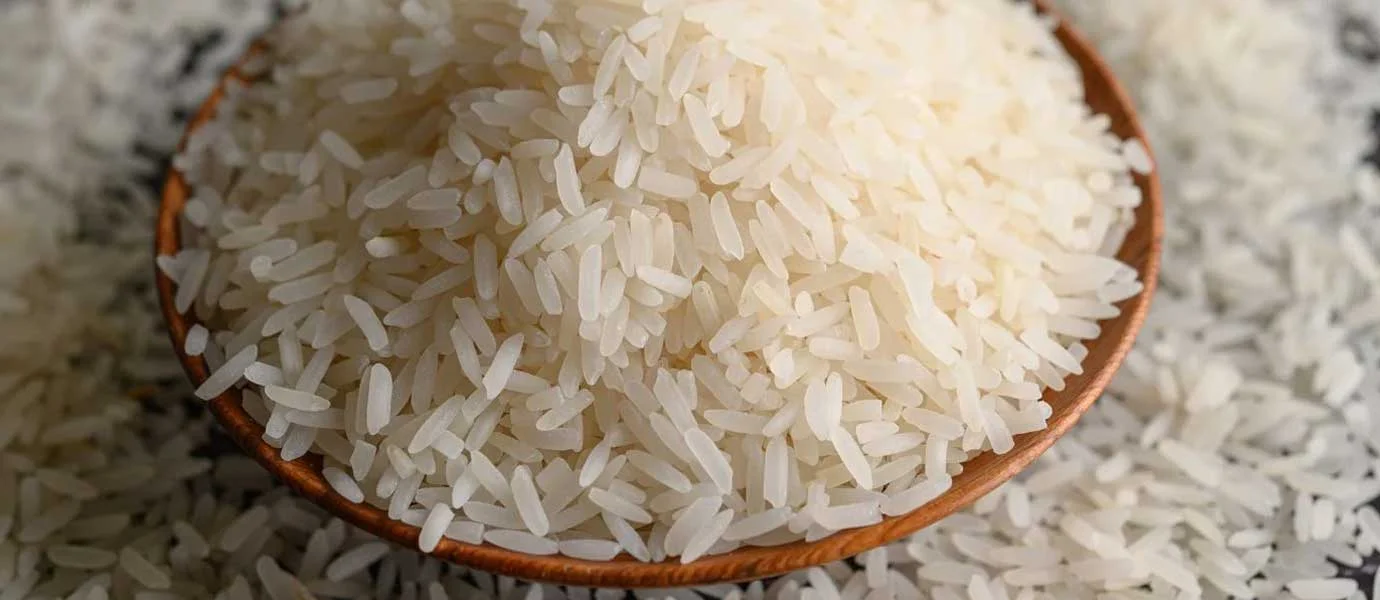
- The milling process removes the husk and bran layers, producing white rice or parboiled rice depending on the variety.
- Advanced machines sort and grade the rice to remove broken or discolored grains.
- Color sorters detect and remove any impurities to ensure visual quality.
- Polishing machines give the rice a clean and shiny appearance without compromising nutrition.
4. Quality Testing
Quality control is essential in rice exporting.
- Samples from every batch are tested for moisture content, grain length, aroma (for Basmati), and purity.
- Tests also check for pesticide residues, heavy metals, and microbial contamination to meet international food safety standards.
- Only rice that passes all tests is approved for export.
5. Packaging for Export
Packaging plays a key role in protecting rice during long transport.
- We offer customized packaging options, including vacuum-sealed bags and moisture-resistant sacks.
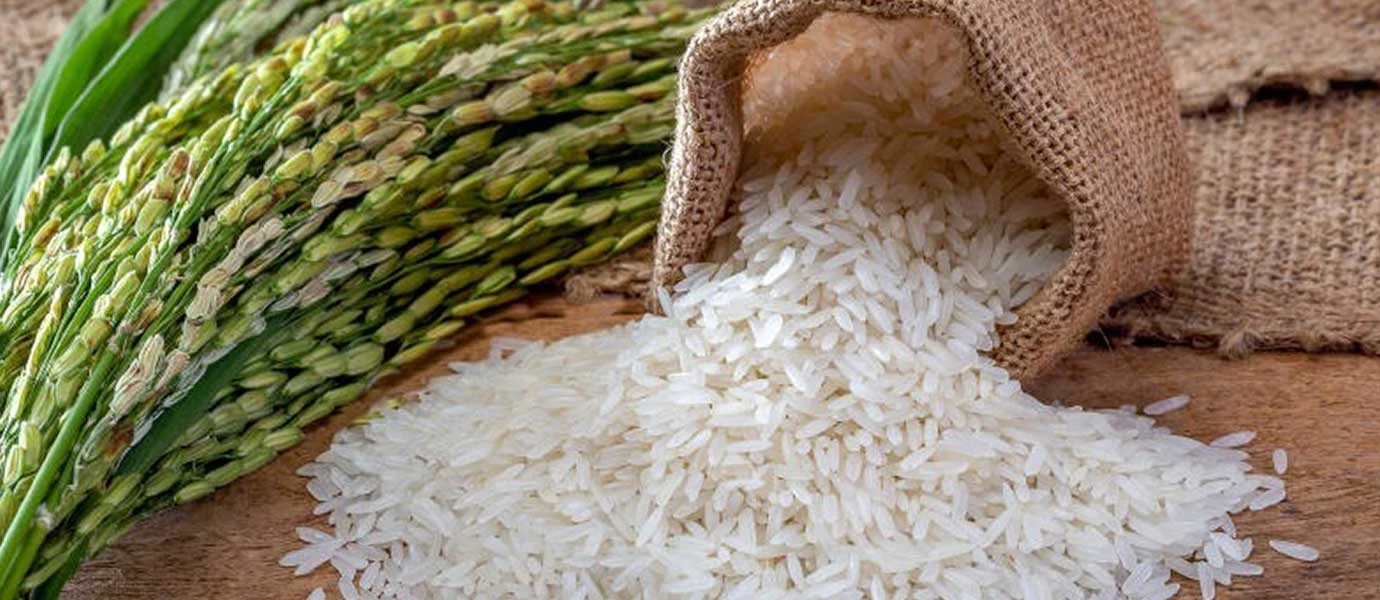
- Packaging sizes vary from retail packs (1kg, 5kg, 10kg) to bulk bags (25kg, 50kg) depending on customer needs.
- Packaging is done hygienically in clean environments to avoid contamination.
6. Shipping and Logistics
Once packed, the rice is ready to be shipped to buyers worldwide.
- We arrange export documentation including certificates of origin, phytosanitary certificates, and quality test reports.
- Shipping is done by sea or air freight, depending on urgency and destination.
- We work with reliable logistics partners to ensure timely delivery and safe handling.
- Tracking systems allow customers to monitor their shipment progress.
7. Customer Support & After-Sales Service
Our service doesn’t end with shipment.
- We provide assistance with customs clearance at the destination port.
- We address any quality concerns and arrange replacements if needed.
- Continuous feedback helps us improve our products and services.
Why Trust Our Rice Export Services?
- Farm-to-fork control: We oversee every step to maintain rice quality.
- Experienced team: Skilled professionals manage sourcing, processing, packaging, and shipping.
- Global standards: Our rice meets all international safety and quality certifications.
- Customer satisfaction: Timely deliveries and responsive support keep our customers happy.
Conclusion
Exporting rice is a complex but carefully managed process, requiring expertise and commitment at every step. From the lush Indian farms to your plate across the world, our rice goes through strict quality control to ensure you get only the best grains.
Ready to import high-quality Indian rice? Contact us today for customized rice export solutions tailored to your needs.