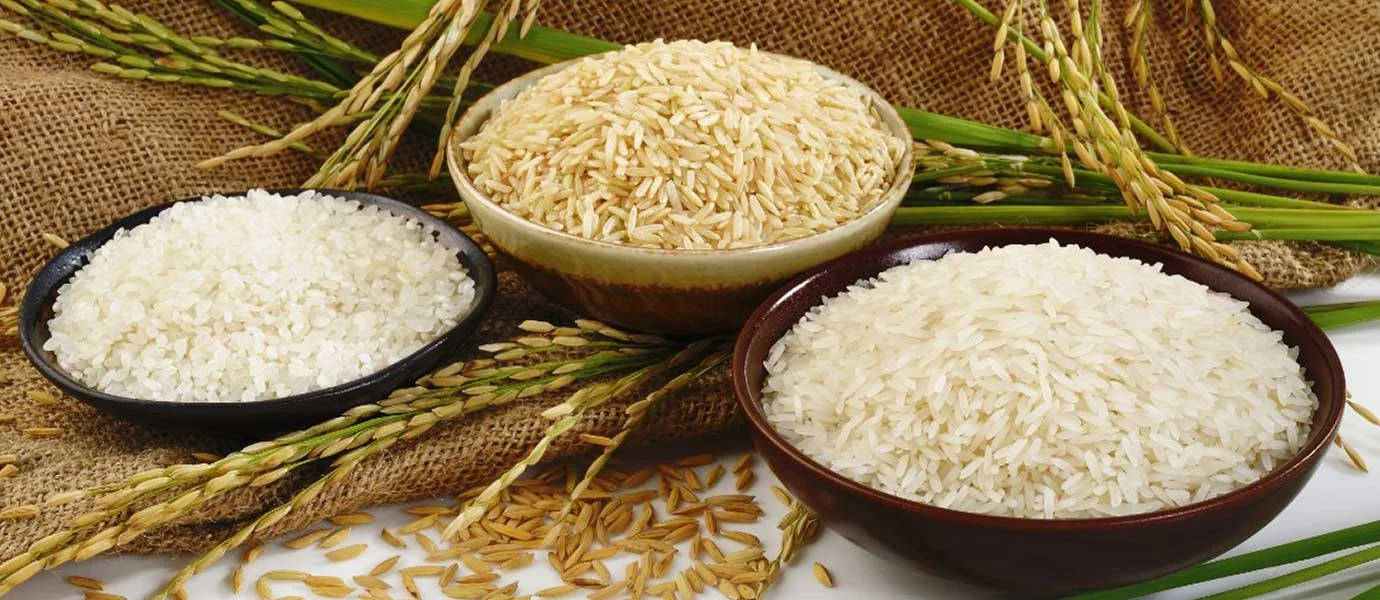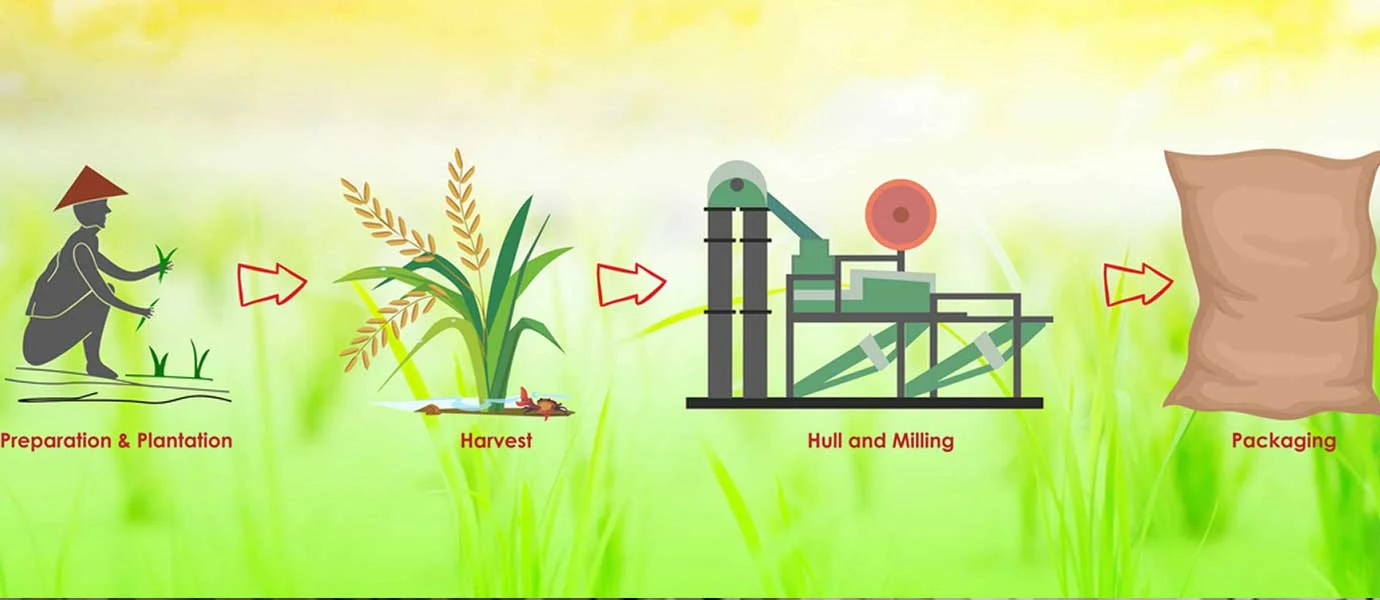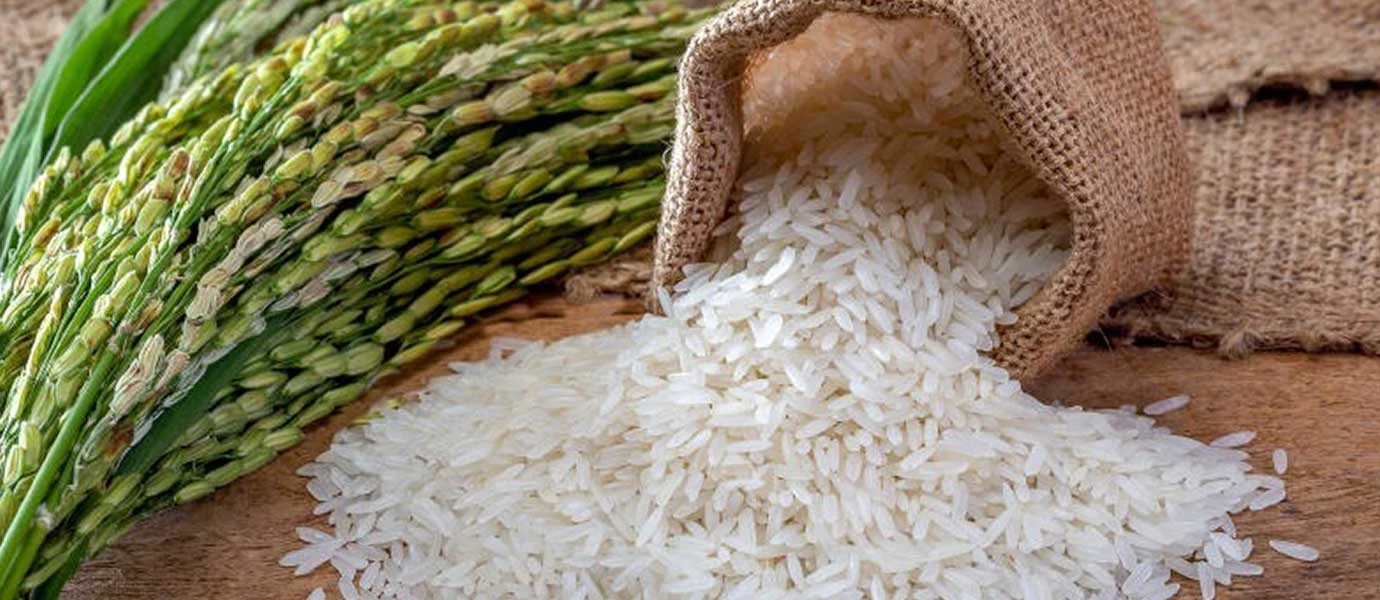


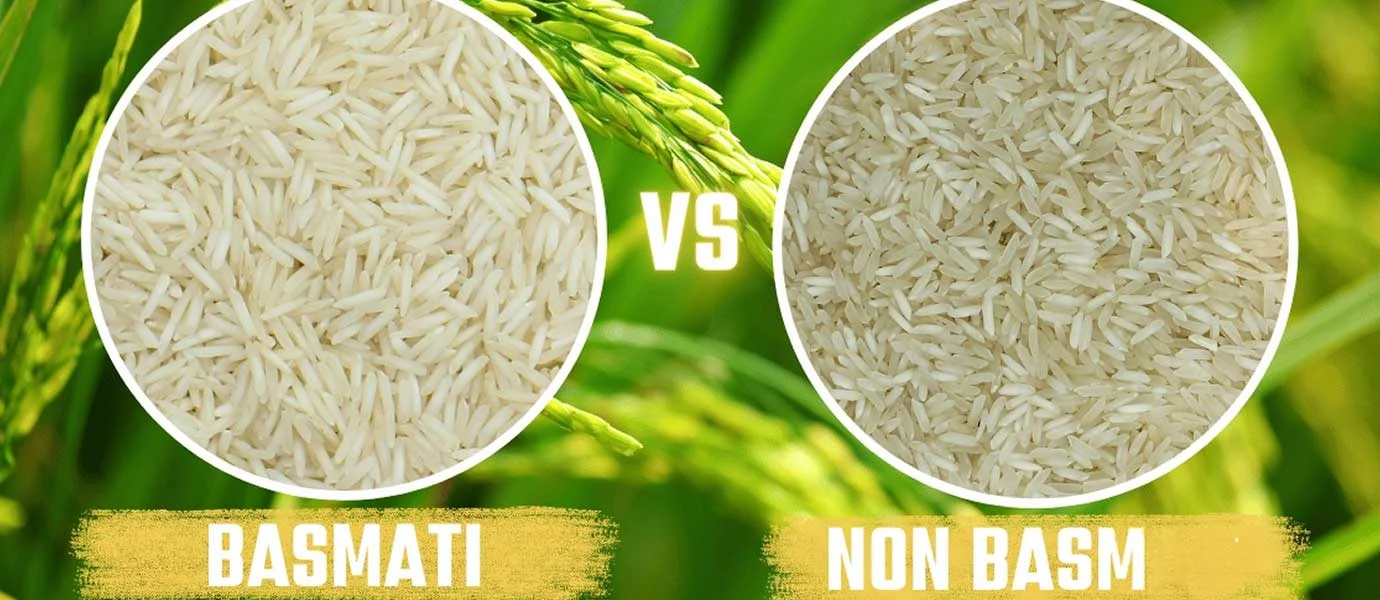
India is one of the world’s largest producers of rice. There are two main types of rice grown here: Basmati rice and Non-Basmati rice. If you're wondering what the difference is and which one you should choose, this simple guide is for you!
What is Basmati Rice?
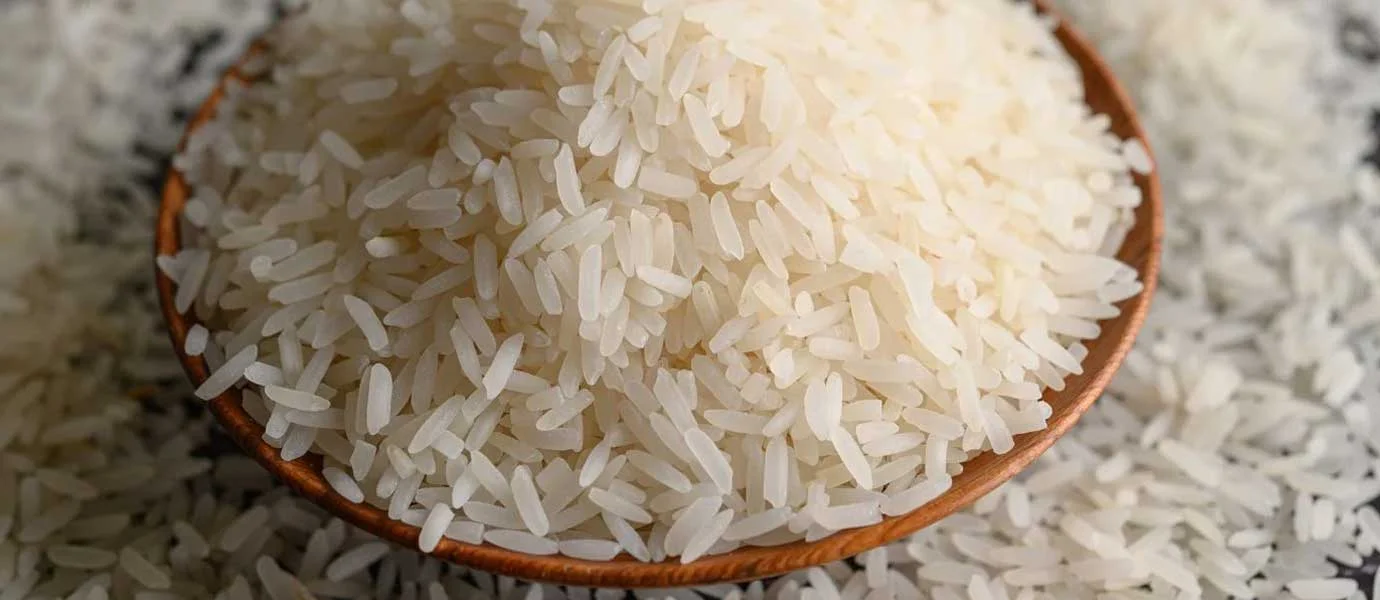
Basmati rice is known for its long grains, nice smell, and fluffy texture when cooked. It’s mostly used in special dishes like biryani and pulao.
Features:
- Long and thin grains
- Has a strong, pleasant aroma
- Doesn’t stick together after cooking
- Grows mostly in Northern India
- Used in weddings, festivals, and restaurant dishes
What is Non-Basmati Rice?
Non-Basmati rice includes all other rice varieties except basmati. These grains come in different shapes and sizes. They are usually used for daily meals at home.
Features:
- Can be short, medium, or long
- Mild or no smell
- Grains may stick a little when cooked
- Grown all over India
- Used in everyday cooking, schools, hotels, and exports
Simple Comparison Table
| Feature | Basmati Rice | Non-Basmati Rice |
|---|---|---|
| Grain Length | Long and thin | Short/Medium/Long |
| Smell | Strong and natural aroma | Mild or no smell |
| Texture | Fluffy and separate | Maybe sticky |
| Use | Special dishes | Daily meals and bulk use |
| Price | More expensive | More affordable |
When to Choose Basmati Rice?
Pick Basmati rice if:
- You’re cooking for a party or a special meal
- You want long, fluffy, aromatic rice
- You're selling to high-end markets or restaurants
When to Choose Non-Basmati Rice?
Pick Non-Basmati rice if:
- You want rice for daily use
- You’re cooking in large quantities (like hotels or mess)
- You want something more affordable
Export and Business Tip
If you're a rice exporter or planning to start:
- Basmati rice sells well in the Middle East, USA, and Europe
- Non-Basmati rice is in high demand in Africa, Bangladesh, and Sri Lanka
Both types are important and have huge markets worldwide.