

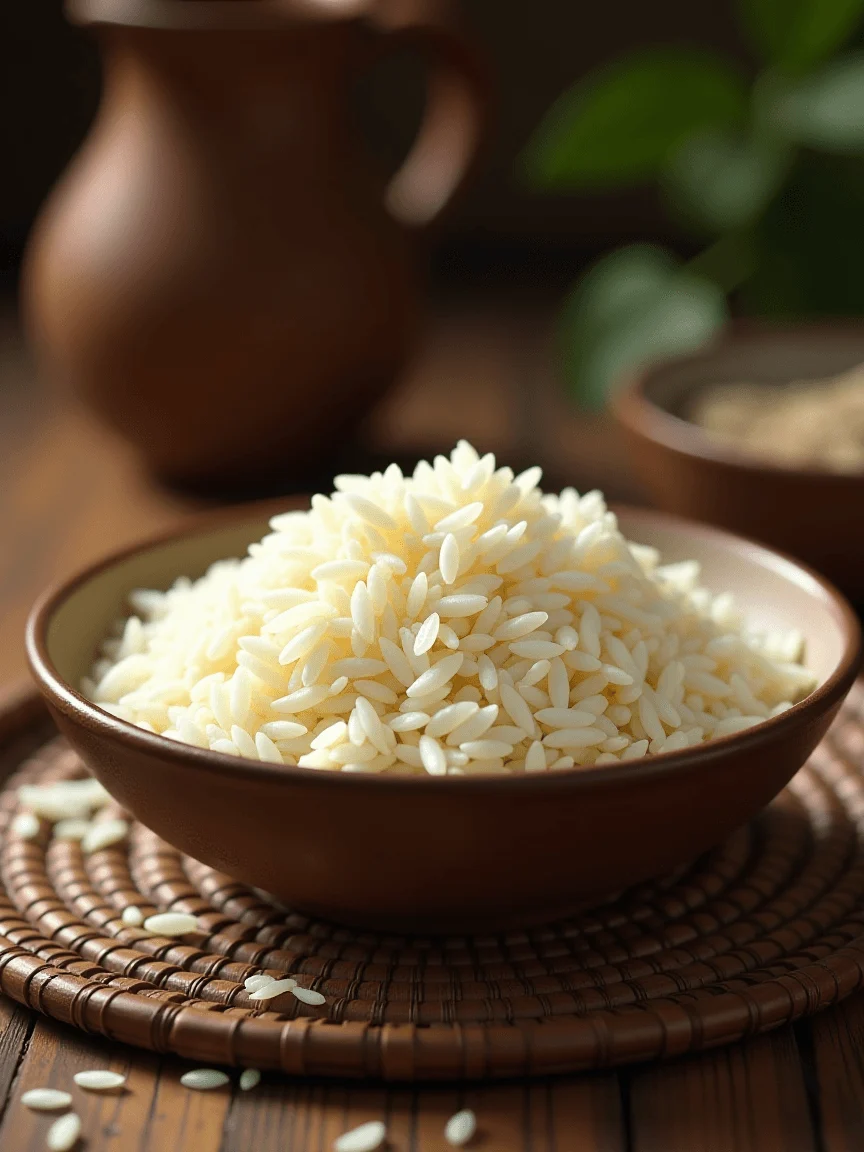
Pesticide Residue-Free Rice – The Pure Choice for Health-Conscious Markets
Our Pesticide Residue-Free Rice is cultivated meticulously, ensuring zero chemical traces while preserving natural nutrition and taste. Sourced from certified organic and sustainable farms, we guarantee safer, cleaner rice that meets the highest global food safety standards.
- 100% Chemical-Free Farming
- Grown without synthetic pesticides, herbicides, or GMOs
- Soil-to-shelf traceability for complete transparency
- Rigorous Quality Assurance
- Tested in NABL-accredited labs for undetectable pesticide residues
- Compliant with EU, USDA, and JAS organic standards
- Global Market Ready
- Custom packaging (bulk & retail)
- Full export documentation (Organic Certificates, Lab Reports, Phytosanitary)
- HACCP, ISO 22000, and FSSAI certified processing
- Ideal For:
- Health-focused consumers (organic stores, premium supermarkets)
- Baby food & wellness brands
- Strict regulatory markets (EU, USA, Japan)
 Why Choose Our Pesticide Residue-Free Rice?
 Why Choose Our Pesticide Residue-Free Rice?
Grains


HACCP, ISO, FSSAI Certified Supply

Delivery
Types of Pesticide Residue-Free Rice
Rice goes through different processing methods before it’s ready to eat. Each form of rice has its own look, texture, and use. Here’s a quick look at the most common types:
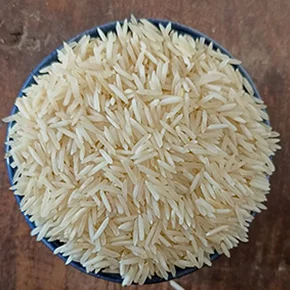
RAW BASMATI RICE
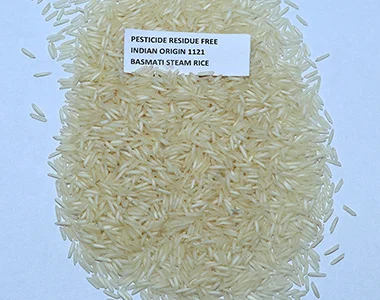
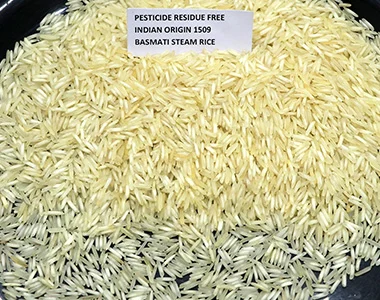
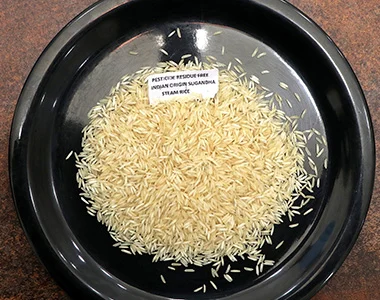
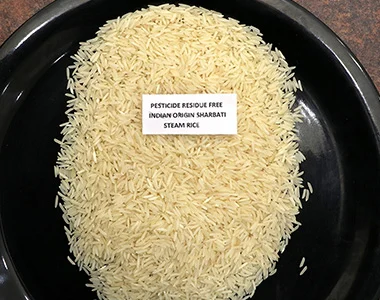
In this process, the rice grains are soaked in water and then steamed. This makes the grains firmer and helps them hold their shape better when cooked. It’s a great option for dishes that need non-sticky rice.
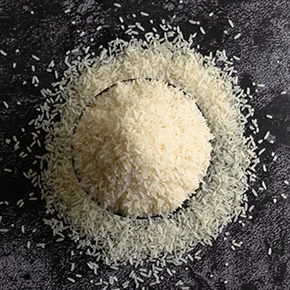
STEAM BASMATI RICE
Also known as milled rice, this type has only the outer husk removed. The bran layer is kept, which gives it a brown color and a slightly chewy texture. It’s a healthier option, rich in fiber and nutrients.
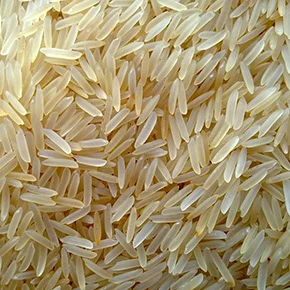
SELLA BASMATI RICE
This is the most popular form of rice. It has the outer husk, bran, and germ removed, giving it a white color and smooth texture. White rice is easy to cook, has a long shelf life, and is used in everyday meals.
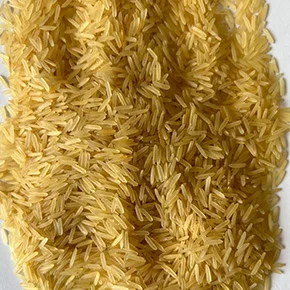
GOLDEN SELLA BASMATI RICE
Parboiled rice is partially boiled while still in its husk. This process makes it more nutritious and easier to cook. It contains more fiber, vitamins, and minerals compared to regular white rice and takes less time to prepare.